
Partica Laser Diffraction and Dynamic Imaging Particle Size and Shape Analyzer | HORIBA
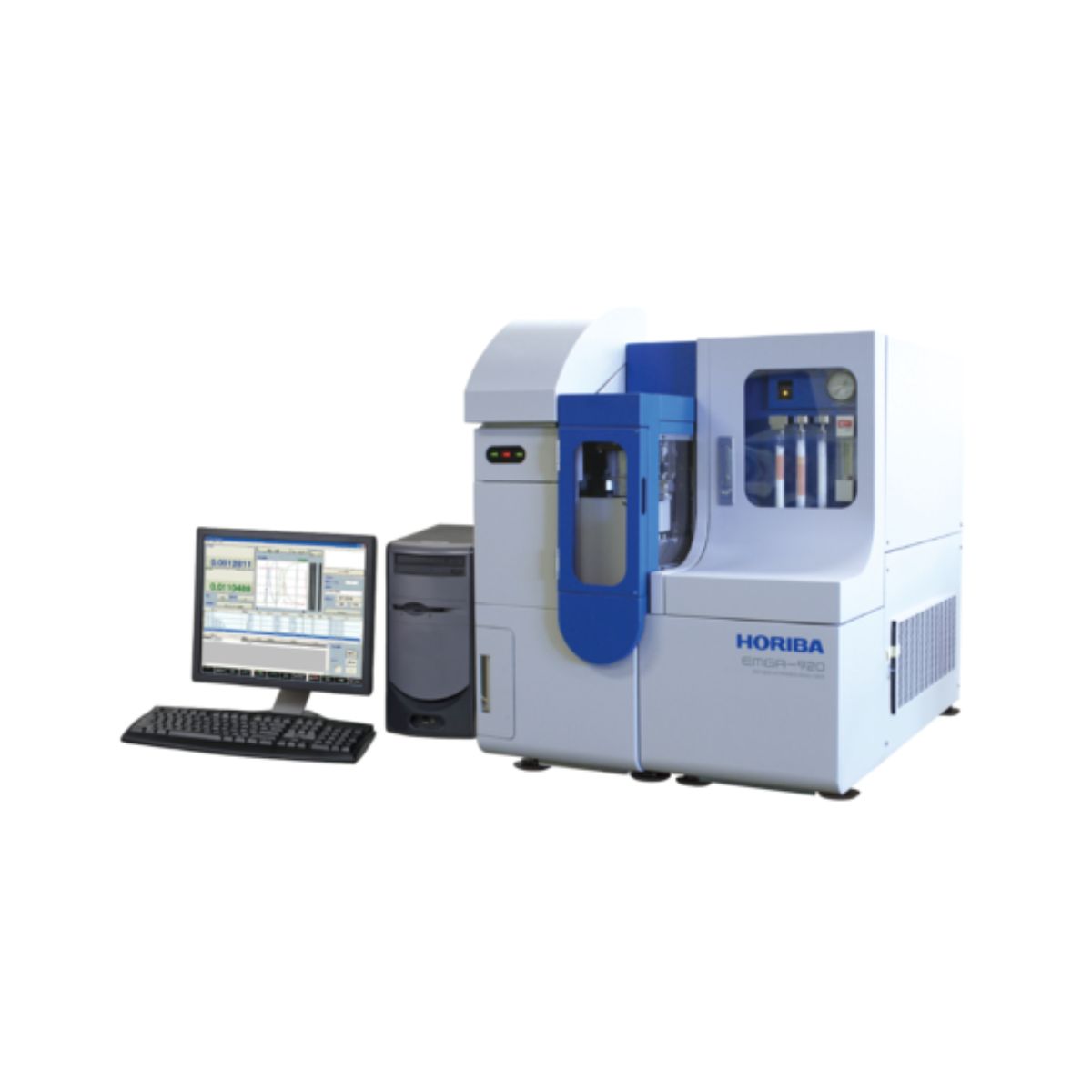
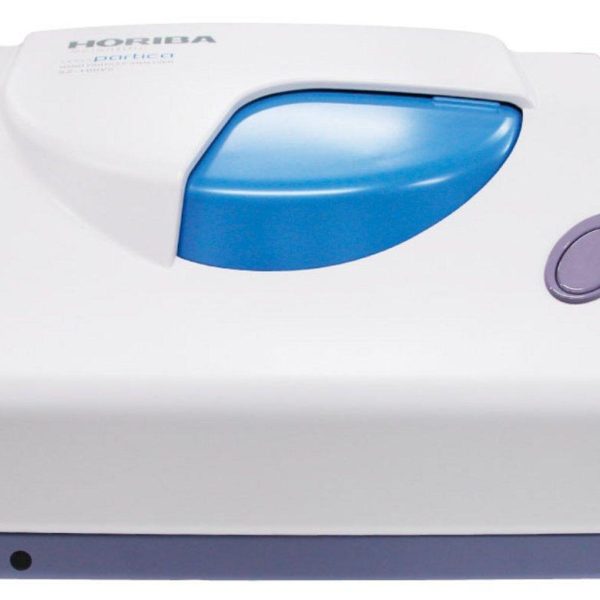
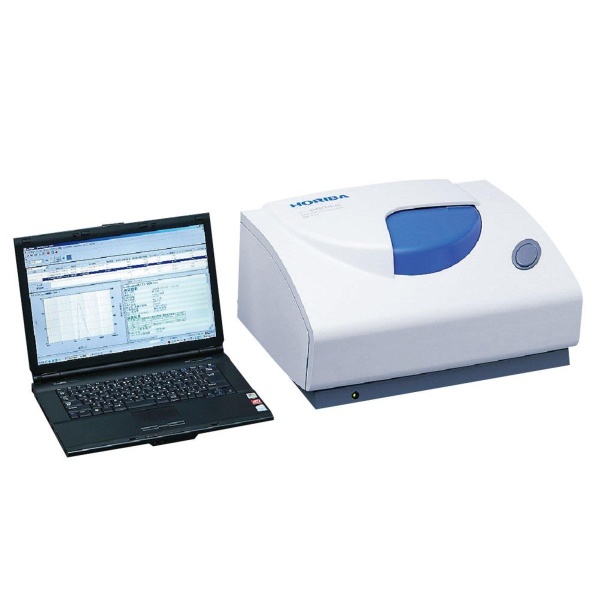
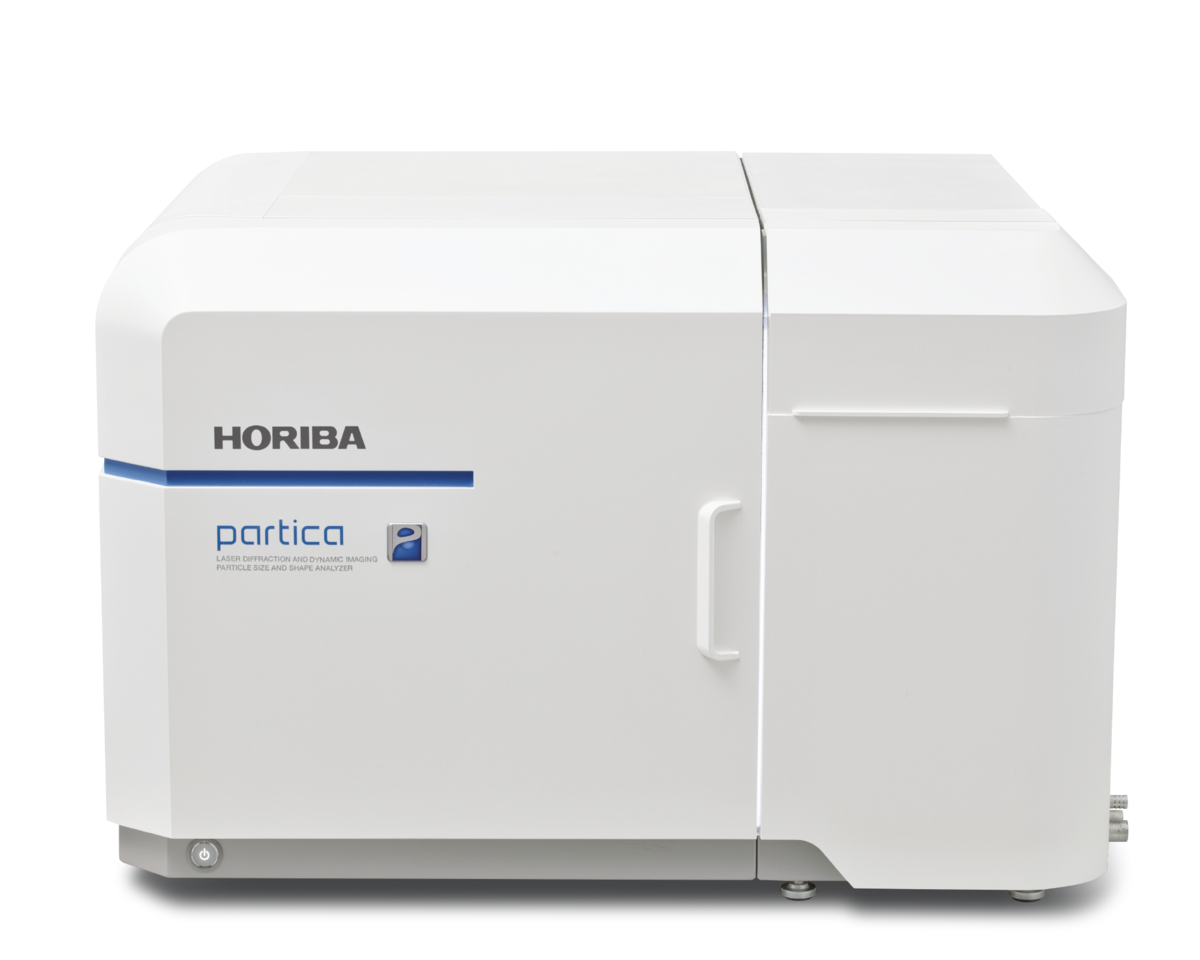
Partica is HORIBA’s comprehensive particle-characterization platform combining laser diffraction (LD) with dynamic image analysis (DIA). In the LA-1000 configuration, it simultaneously determines particle-size distribution and shape parameters for liquids, concentrated suspensions and powders, reducing analysis time and laboratory footprint.
Particle size and shape influence powder flow, suspension stability, reactivity, product appearance and process performance. Partica brings two complementary techniques into one platform: laser diffraction rapidly measures a very broad size distribution, while dynamic imaging reveals outliers, agglomerates and individual-particle morphology. Correlated results support more confident decisions in research, method development and quality control.
Main benefits
Two perspectives in one analysis. Combines volume-based particle-size distribution from LD with particle images and morphology information from DIA.
Extended dynamic range. The LA-1000 configuration covers a total range of 0.01-8000 µm, depending on technique, dispersion mode and particle shape.
Fast, representative analysis. The dual-camera system captures up to 300 frames/s, enabling tens of thousands of particles to be assessed in a short time.
Designed for real samples. Accessories for wet dispersion, powders, small volumes, concentrated suspensions and pastes extend the platform across varied R&D and QC workflows.
Repeatability and traceability. Automatic optical alignment, NIST-traceable standard verification and the software architecture support robust, transferable methods.
Laboratory productivity. One platform reduces instrument changes, total measurement time and occupied laboratory space.
Key features
- 2-in-1 laser diffraction/scattering and dynamic image analysis in the LA-1000 configuration.
- Dual-camera DIA system with different magnifications, covering particles from approximately 1 µm to several millimetres.
- Minimum digital resolution of 0.3 µm and maximum acquisition rate of 300 frames/s.
- More than 30 image-analysis parameters, including equivalent diameter, minimum/maximum Feret diameter, circularity and aspect ratio.
- Dual optical sources for LD: 650 nm red laser diode and 405 nm violet LED.
- LD accuracy within ±0.6% of certified reference particle standards, based on HORIBA verification.
- Measurement of liquids, slurries, powders and high-solids samples.
- Rapid changeover between measurement cells and dispersion modes.
- Intuitive software and PLATINALINK data-integrity features.
- Software features supporting FDA 21 CFR Part 11 and methods aligned with ISO 13320:2020 and ISO 13322-2:2021.
How the two techniques work
Laser diffraction (LD). Determines particle-size distribution by analysing scattered light using Mie and Fraunhofer models. It is fast and covers particles from tens of nanometres to millimetres.
Dynamic image analysis (DIA). Records particles in motion and measures individual size and shape. It is valuable for identifying agglomerates, fibres, elongated particles and rare contaminants.
Combined interpretation. LD provides the global distribution, while DIA reveals which particle types produce the observed fractions. Correlation is valuable when a size distribution alone does not explain sample behaviour.
Available configurations
| Configuration | Techniques | Total range | Positioning |
| LA-1000 series | LD + dual-camera DIA | 0.01-8000 µm | Simultaneous size and shape characterization |
| LA-970 series | Laser diffraction | 0.01-5000 µm | Particle-size distribution by LD |
Applications
Batteries and energy materials. Electrode active materials, graphite, LFP/NMC, electrode slurries and detection of agglomerates at process-relevant concentrations.
Pharmaceuticals and biotechnology. Powders, excipients, APIs and suspensions, with options addressing data integrity and electronic records.
Food and beverage. Food powders, starches, ingredients, emulsions and water-soluble particulate materials.
Paints, inks and pigments. Size distribution, oversized particles, agglomeration state and measurement with little or no dilution.
Ceramics, cement and minerals. Broad powder distributions, irregular granules and raw-material consistency control.
Polymers and composites. Microparticles, fillers, fibres and particles dispersed in viscous media.
Chemicals and advanced materials. Silica, catalysts, reference particles, CMP slurries and materials with complex morphology.
Contaminant and agglomerate control. Detection of rare or oversized particles that can be masked within a global volume-based distribution.
Technical specifications
| Measurement principles | LD: Mie scattering and Fraunhofer diffraction; DIA: dynamic image analysis on LA-1000 |
| Total range – LA-1000 | 0.01-8000 µm |
| Total range – LA-970 | 0.01-5000 µm |
| LD – wet dispersion | 0.01-3000 µm |
| DIA – wet dispersion | 0.3-3000 µm; dependent on particle shape |
| LD – dry dispersion | 0.1-5000 µm |
| DIA – dry dispersion | 1.1-8000 µm; dependent on particle shape |
| LD light sources | 650 nm laser diode, 5 mW; 405 nm LED, maximum 10 mW |
| DIA cameras | 2 cameras; CMOS; up to 300 frames/s; minimum digital resolution 0.3 µm |
| DIA parameters | More than 30 image-analysis parameters |
| Wet dispersion system | 30 W, 20 kHz ultrasonic probe; 5 fill levels; 15 circulation speeds; maximum flow approx. 10 L/min; capacity approx. 150 mL or more |
| Dimensions | 720 mm (W) × 565 mm (D) × 470 mm (H), excluding pipework, protrusions and accessories |
| Weight | Approximately 56 kg |
| Power | AC 100-240 V, 50/60 Hz, 300 VA |
| PC interface | 1 × USB 3.1, 5 Gbps or faster |
Specifications vary by configuration and are subject to manufacturer change. Confirm the final configuration in the quotation.
Accessories and sampling options
Wet circulation system. Automated filling, circulation, ultrasonication and rinsing; measurement and result display can be completed in approximately 60 s, depending on the method.
Powderjet Dry Powder Feeder. Powder analysis by free fall or forced dispersion with compressed air; accessories support adhesive, magnetic, poorly flowing or limited-quantity powders.
MiniFlow. Automated small-volume circulation for organic solvents; approximately 35 mL dispersant requirement and integrated ultrasonic probe.
Fraction Cell. 5, 10 or 15 mL cells for rare samples, volatile solvents or full sample recovery; LD range 0.01-1000 µm.
High Concentration Cell. Measures inks, paints, pigments, emulsions and battery slurries with little or no dilution.
Paste Cell. For undiluted samples or particles in viscous media, including polymers and magnetic powders.
Configure Partica for your samples and method
| The appropriate configuration depends on size range, concentration, dispersion medium, particle shape and data-integrity requirements. Send the APEL Laser team a description of your sample, estimated range, solvent or powder state and analytical objective. We can recommend the suitable model, cells and accessories and discuss the feasibility of a demonstration measurement. |
Request a Partica configuration
Frequently asked questions
What does HORIBA Partica measure?
In the LA-1000 configuration, Partica measures size distribution by laser diffraction and individual particle size, shape and images by DIA. LA-970 is the laser-diffraction configuration.
What is the measurement range?
The total range reaches 0.01-8000 µm for LA-1000 and 0.01-5000 µm for LA-970. The effective range depends on technique, wet/dry dispersion and particle shape.
Can it analyse both liquids and powders?
Yes. The system accepts liquids and slurries, while the Powderjet accessory supports free-fall or compressed-air dispersion of powders.
Why combine LD and DIA?
LD rapidly provides the global size distribution, while DIA shows morphology and individual particles. Together they help distinguish primary particles from agglomerates and reveal rare contaminants.
Can it measure concentrated slurries or pastes?
Yes, using the optional High Concentration Cell and Paste Cell, subject to sample compatibility and method limits.
Is it suitable for regulated environments?
The software includes data-integrity functions and features supporting FDA 21 CFR Part 11. Method and system validation remain the responsibility of the user laboratory.
How does it differ from Partica LA-960V2?
LA-960V2 is an established laser-diffraction analyser. The new Partica LA-1000 platform adds dynamic image analysis and two cameras for simultaneous size and shape characterization.
Related products